
How to Search Orleans Parish Court Records
Civil and land records run through the Clerk of Civil District Court. The clerk's online records page routes users to the live search system, and the civil and land remote access portal is where most lookups happen. Felony records start at Criminal District Court. Before you start, gather the names of the parties, an approximate date, and a case or instrument number if you have one.
Use this workflow for a civil or land search:
- Confirm the record type. Civil, divorce, succession, and foreclosure files are Civil District Court; transfers and mortgages are Land Records.
- Open the remote access portal from the clerk's online records page.
- Search by case or instrument number when known, or by party name with a date range.
- Use exact spelling, and try name variants for older records.
- Open the result to read the docket, parties, and document list.
- Email cdcclerk@orleanscivilclerk.com for a certified copy or a file that is not online.
For felony matters, the Criminal District Court site lists divisions, rules, and clerk contact. Current custody status is a separate question and is checked through the sheriff's detainee query, not the court docket.
Orleans Parish Court Records Search Fields
The remote access portal accepts a mix of direct-lookup and name-based fields. A case or instrument number gives the cleanest match. When you do not have one, a party name plus a date range narrows the list. Civil case numbers and land instrument numbers are separate systems, so the right number matters.
| Field Label | Type | Required | Notes / Format |
|---|---|---|---|
| Case / Instrument Number | Text | Optional | Use the exact number; civil and land numbers differ. |
| Last Name / Business Name | Text | Optional | Exact spelling improves results. |
| First Name | Text | Optional | Narrows person-name searches. |
| Date From / Date To | Date | Optional | Filing or recording date range. |
| Record Type / Division | Dropdown | Optional | Civil, conveyance, mortgage, or notarial. |
| Login | Button | Conditional | Account may be needed for full document images. |
Types of Orleans Parish Court Records
Each Orleans Parish court produces its own kind of record. Civil District Court generates the largest share of public files, while Criminal District Court holds felony matters. Most records are open, but the case type controls which clerk and which system you use.
The main groups are:
- Civil records - petitions, answers, motions, orders, and judgments in lawsuits and foreclosures.
- Domestic records - divorce, custody, and support files handled by the civil clerk.
- Succession records - Louisiana estate files, including wills and judgments of possession.
- Criminal records - bills of information, minute entries, bond orders, and sentencing minutes.
- Land and notarial records - conveyances, mortgages, liens, and historic notarial acts.
- Docket records - the running event log for an active or closed case.
Juvenile records sit apart. They are confidential under state law and are not part of an ordinary public records search.
What Orleans Parish Court Records Show
A case record packs a lot into a few fields. The civil and land portal and the criminal docket both expose identifiers, parties, dates, and an event history. Full document images may sit behind a paid or registered account, but the summary fields are usually visible in a public search.
| Field | What It Shows |
|---|---|
| Case Number | The court-specific docket or instrument identifier. |
| Filing Date | When the petition or document entered the clerk's record. |
| Court / Division | Civil, Criminal, or limited court, plus the section or judge. |
| Parties | Plaintiff and defendant, petitioner and respondent, or decedent and heirs. |
| Docket Entries | Filings, hearings, orders, judgments, and continuances in date order. |
| Disposition | Judgment, dismissal, plea, sentence, or other outcome. |
Protected data is redacted. Social Security numbers, account numbers, juvenile names, and sealed material should not appear in a public view.
Public Access Framework for Orleans Parish Court Records
Louisiana's public-records law lives in Title 44 of the Revised Statutes. Under La. R.S. 44:31, any adult may inspect and copy public records unless an exemption applies. The custodian's duties, including copy fees and written-request handling, are set by La. R.S. 44:32. For court files, those statutes work alongside court rules and judge orders.
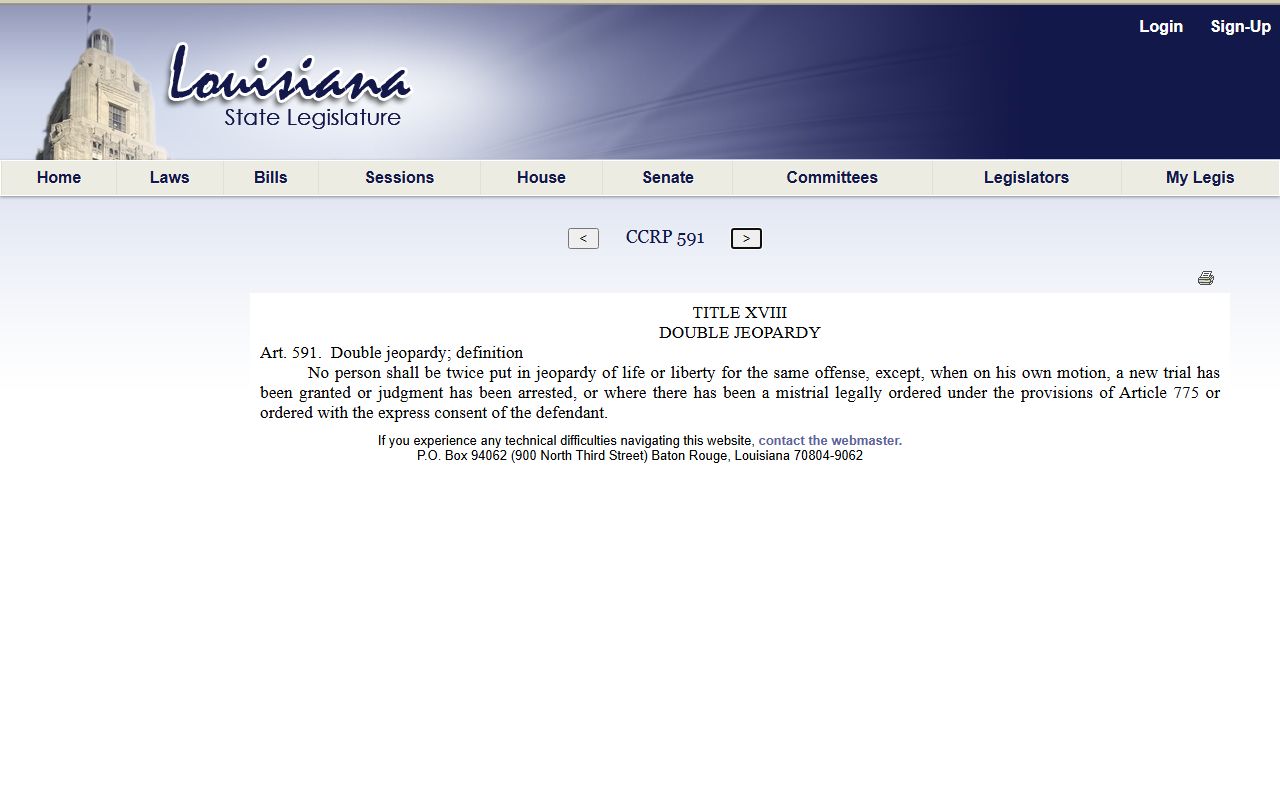
Access is broad but not absolute. Expungement law limits what stays public, and the legislature catalogs the terms in the Code of Criminal Procedure, shown below.
The expungement definitions statute frames what an expungement does and does not do for a criminal record.
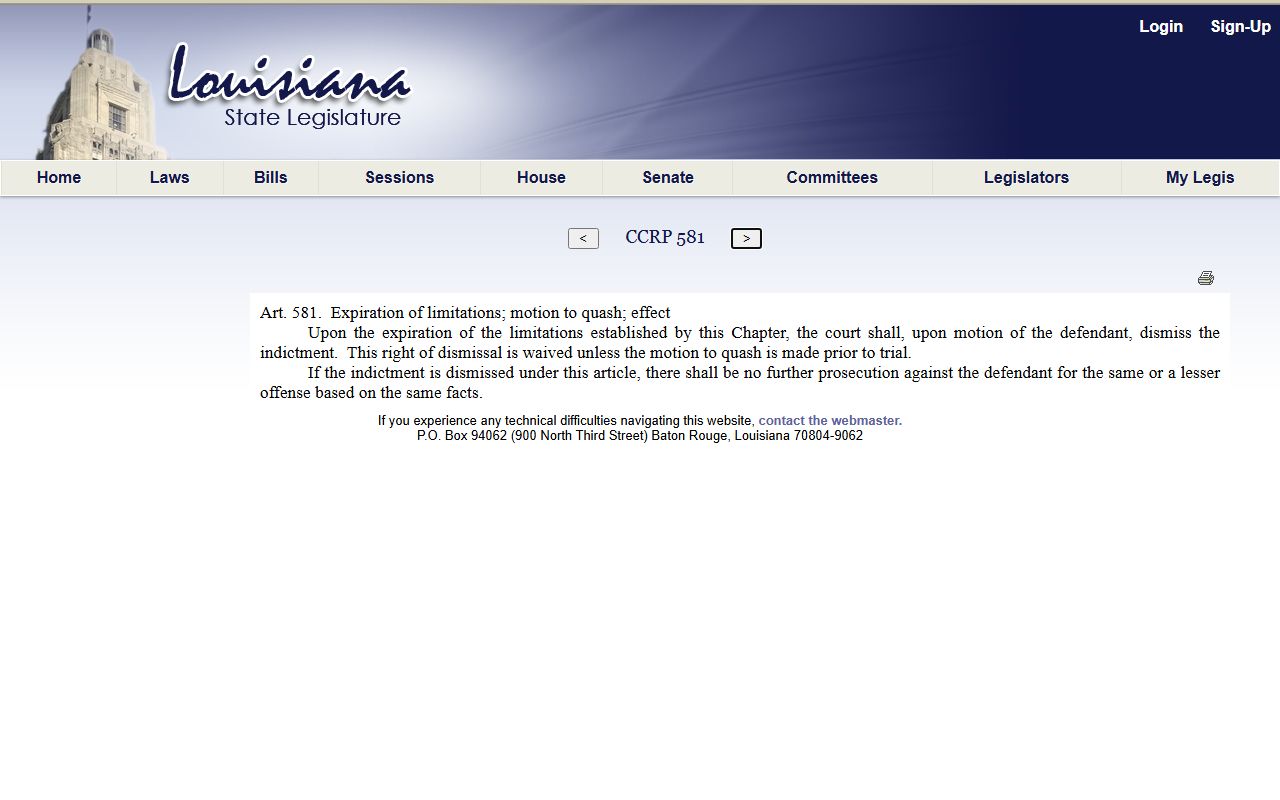
That definition matters because an expungement usually restricts public access rather than destroying every agency copy.
Note: A custodian who denies access should cite the legal basis, such as a juvenile, sealed, or active-investigation exemption.
Records That Are Sealed or Confidential in Orleans Parish
Several categories sit outside ordinary public access. Juvenile court files are confidential under La. Children's Code art. 412, open only to parties, counsel, and authorized agencies. Grand jury material, adoption files, and sealed exhibits are also withheld. Medical and mental-health information filed in a case is redacted or sealed.
The juvenile confidentiality rule is the main reason Orleans Parish juvenile records are not searched like adult files. Its text is shown here.
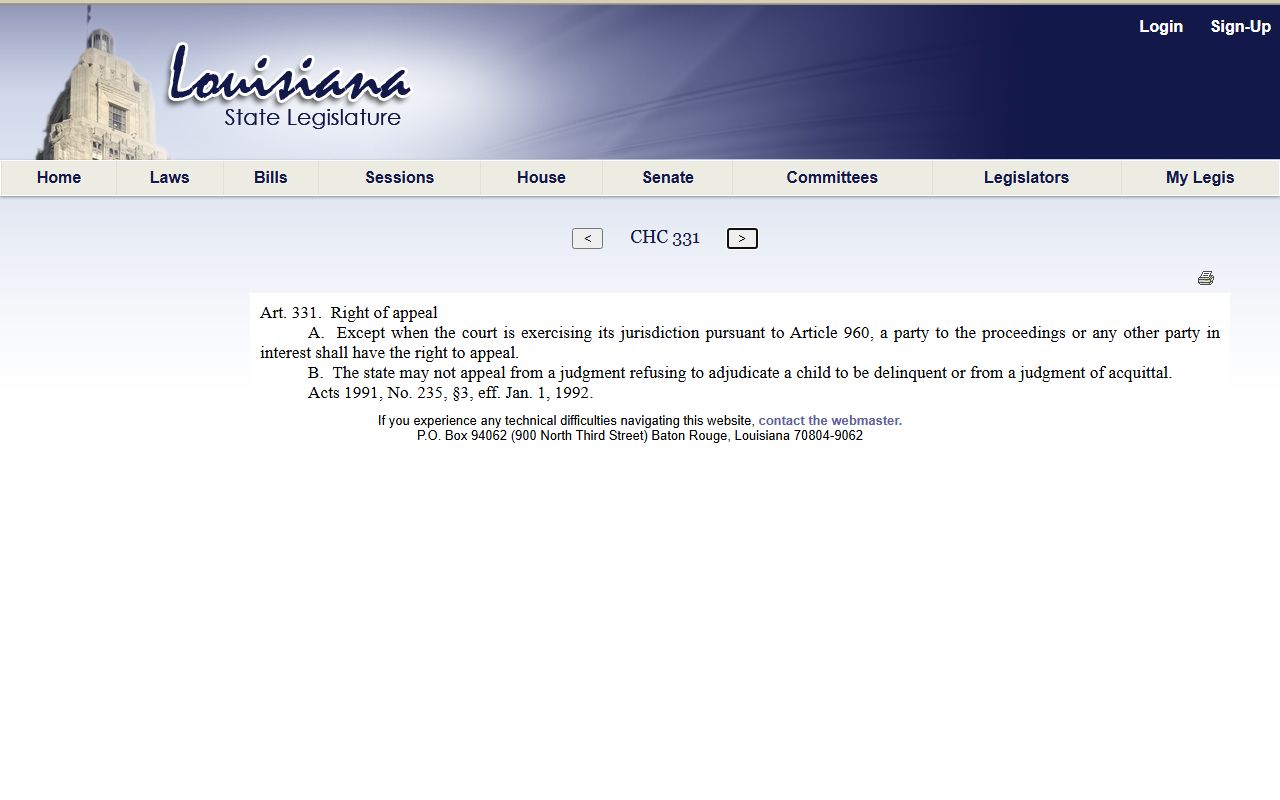
Juvenile records can later be sealed under a separate process in La. Children's Code art. 917, which is different from adult expungement.
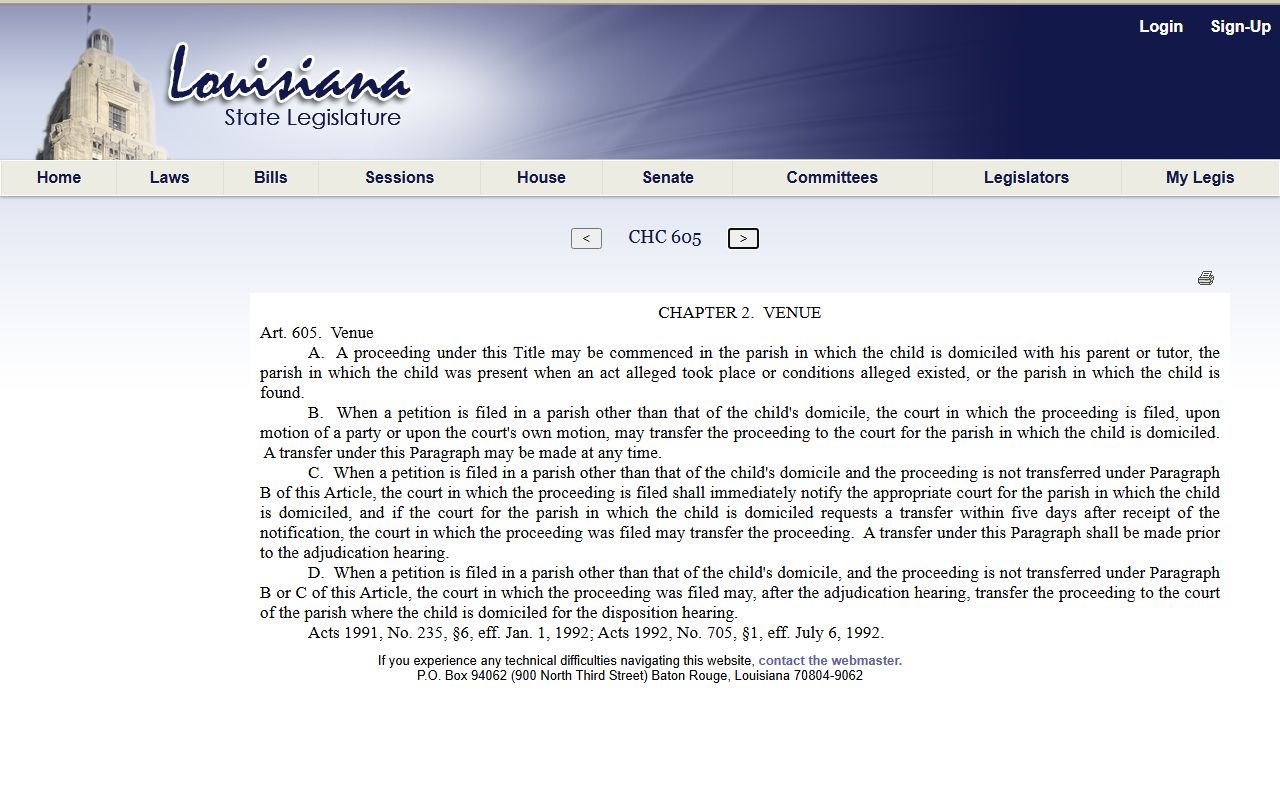
Sealing limits future access; it is not automatic and follows the Children's Code, not the adult criminal articles.
Expunging an Orleans Parish Court Record
Adult expungement in Louisiana is statutory and petition-driven. A person files in the court tied to the arrest or prosecution, names the agencies, and shows the case meets every requirement. Misdemeanor and felony cases follow different articles, and some convictions are excluded outright.
Misdemeanor arrest and conviction records are governed by La. C.Cr.P. art. 977, shown below.
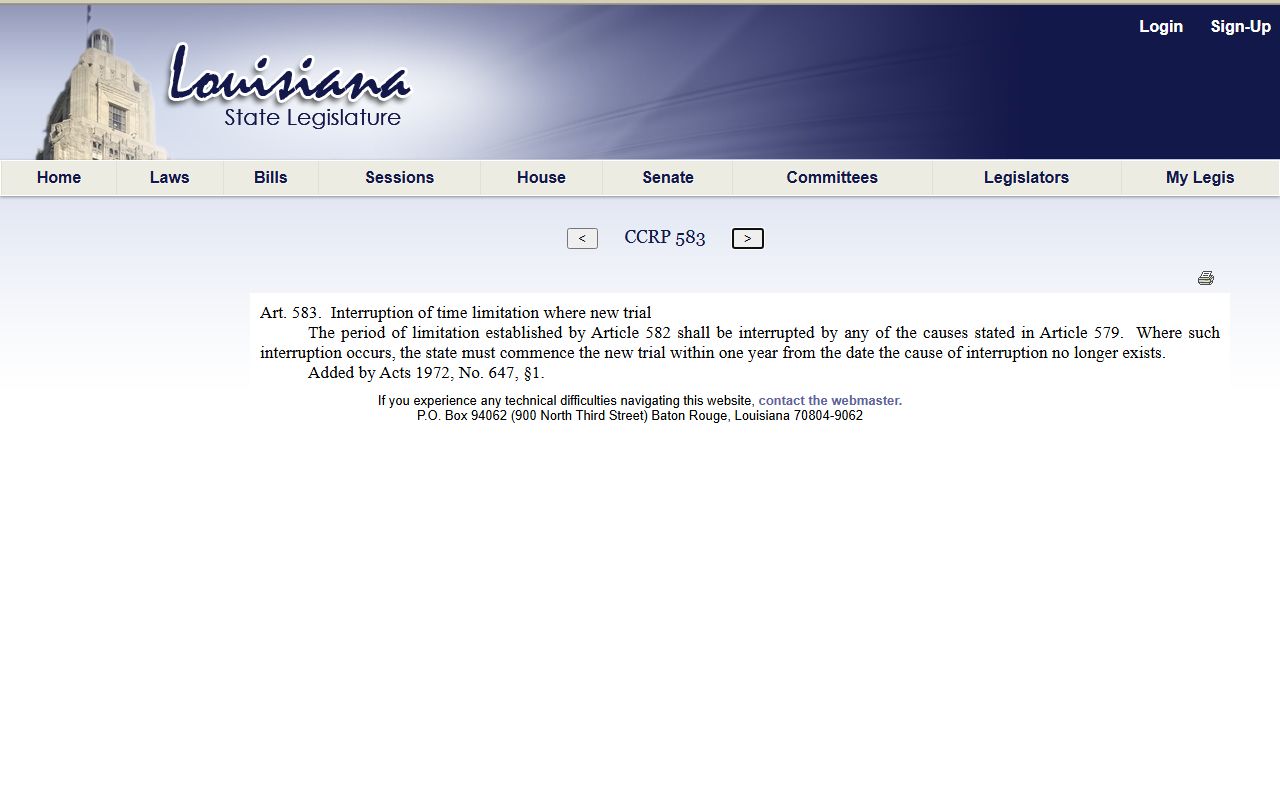
Felony records follow a stricter path under La. C.Cr.P. art. 978, with waiting periods and clean-record requirements.
Common reasons a petition fails include filing in the wrong court, unpaid costs, a short waiting period, or a prior disqualifying conviction. Medical and peer-review confidentiality, referenced in La. R.S. 13:3715.3, can also keep health details out of a public file.
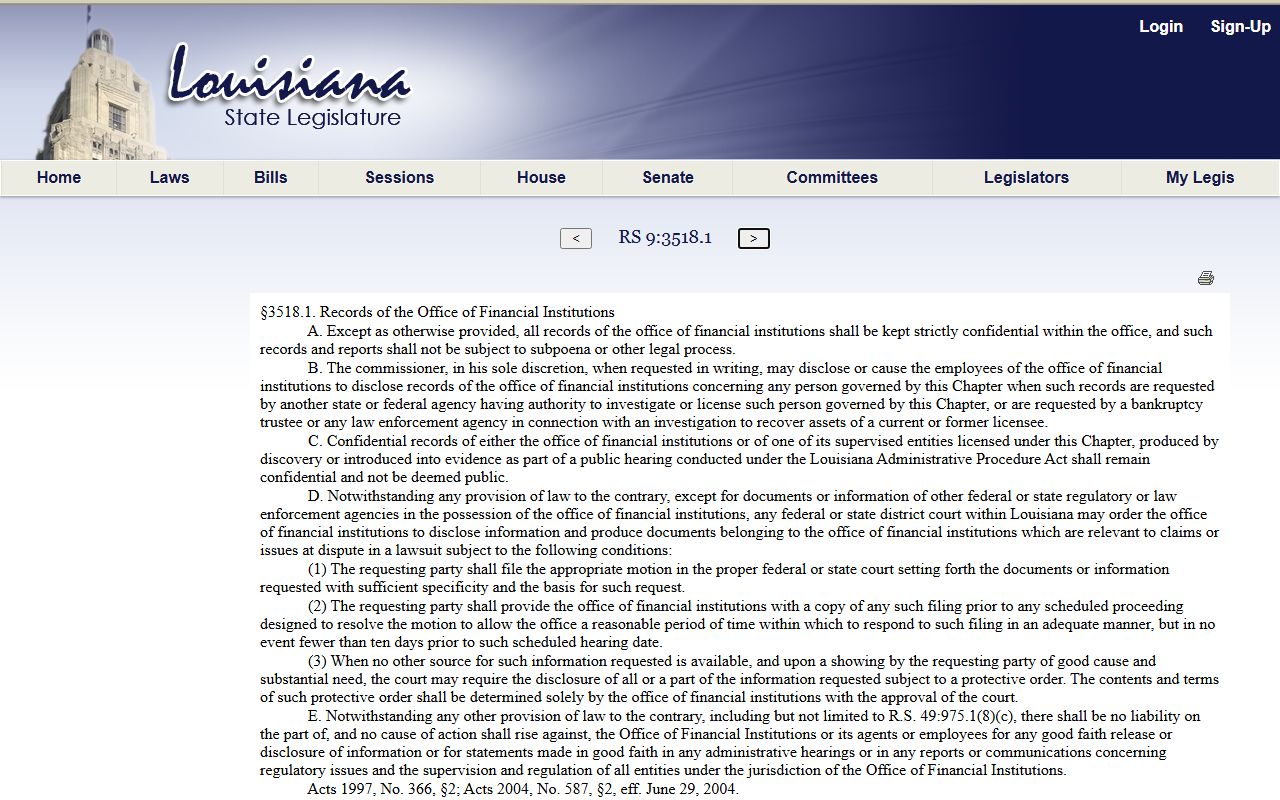
Because the rules are detailed, many people use the arrest records page and legal-aid resources before they file.
In-Person Court Record Requests
When a record is not online, or you need a certified copy, the clerk's office is the next stop. Civil and land copies come from the Clerk of Civil District Court at 421 Loyola Avenue, while land and notarial archives work runs through 1340 Poydras Street. Bring the case or instrument number, party names, and the filing date to speed the request.
Clerk of Civil District Court
421 Loyola Avenue
New Orleans, LA 70112
cdcclerk@orleanscivilclerk.com
Verify hours on the clerk site
For felony case copies, contact the Criminal District Court Clerk at 2700 Tulane Avenue instead. The two clerks do not share files.