
How to Find Recently Released Orleans Parish Inmates
There is no separate official page that lists everyone released from the parish jail in the last few days. Release shows up indirectly. A person who no longer appears in the sheriff's active detainee query has likely been released or transferred. Confirming which one takes a short series of checks.
- Search the OPSO detainee query first. No active result is the first sign of a release or transfer.
- Check VINELink Louisiana for custody status and to set up alerts.
- If the person was sentenced, search the Louisiana Department of Corrections offender resources.
- For a federal charge or marshal hold, search the Bureau of Prisons and federal court records.
- For a court deadline or a safety concern, call the jail or court rather than relying on an online disappearance.
The roster fields and how to read a current detainee record are covered on the Orleans Parish inmate records page.
Setting Up Release Notifications
VINELink, the Louisiana victim notification service, is the most useful tool for following a release without checking by hand. You can search a custody status and register to get an alert when it changes, including a release or a transfer. The service is free, and registration only needs a contact method. Its Louisiana search page is shown below.
The VINELink Louisiana search page lets you look up a person and start notifications in one place.
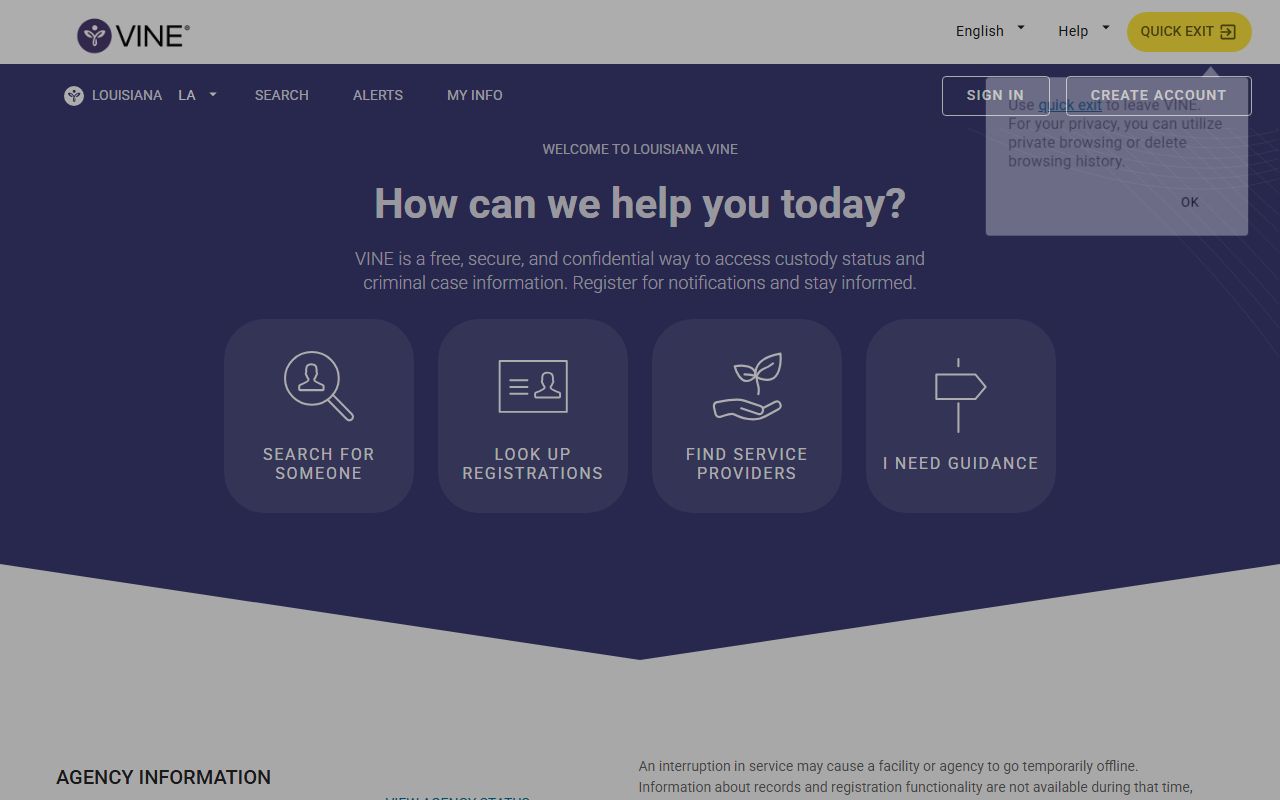
Setting up an alert means you do not have to keep searching, since the service contacts you when the status changes.
| Field Label | Type | Required | Notes / Format |
|---|---|---|---|
| Name or ID | Text | One criterion | Offender name or ID if known. |
| State | Dropdown | Yes | Select Louisiana. |
| Facility / Agency | Filter | Optional | Narrows by custody agency. |
| Register for Notification | Button | Optional | Account or contact method needed for alerts. |
Searching State and Federal Released Inmates
When someone leaves the parish jail because they were sentenced, custody often moves to the Louisiana Department of Corrections. The state offender locator is then the right tool. People held on federal charges are tracked by the Bureau of Prisons, which also shows release dates. The federal locator is shown below.
The BOP inmate locator is a free federal search that returns custody status and release information.
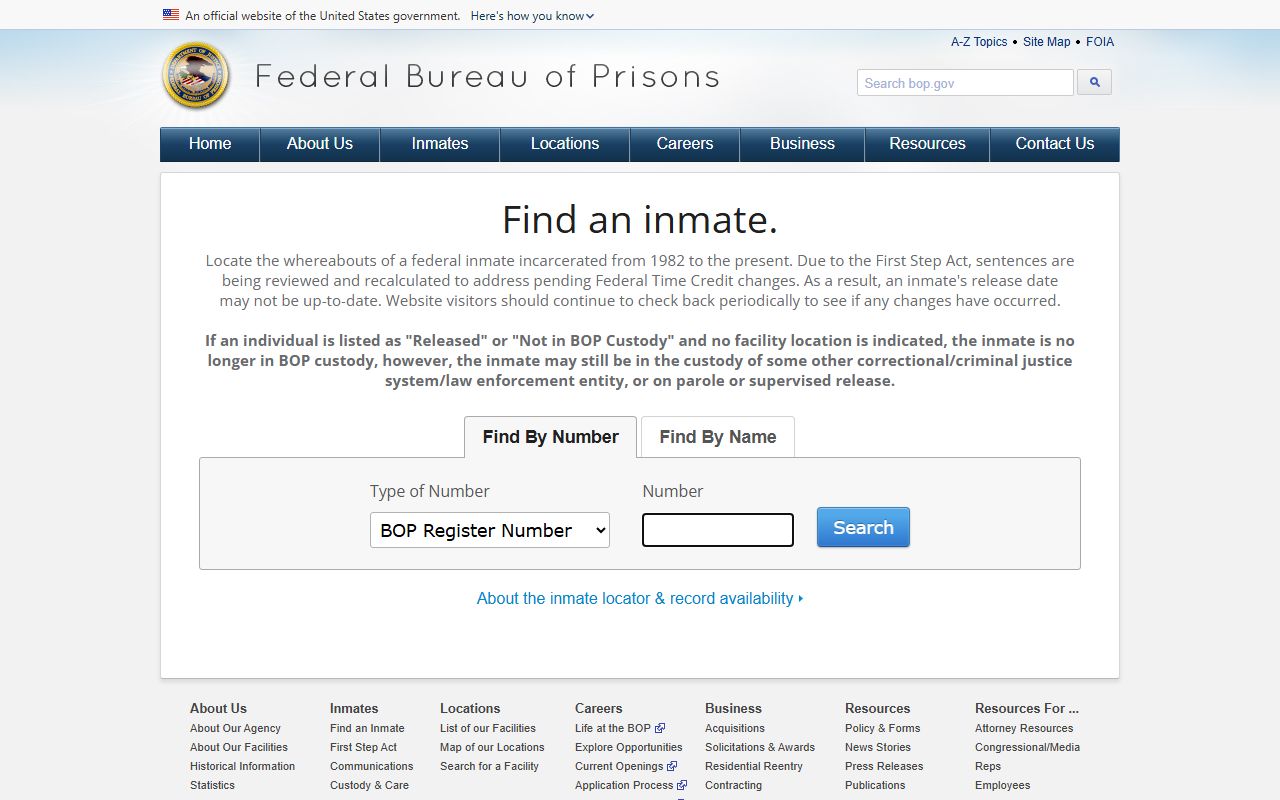
The federal search returns a release date or a not-in-custody result, but it does not show parish charges or bond.
| Locator | Key Fields | Notes |
|---|---|---|
| Louisiana DOC | DOC number, first name, last name | Best for sentenced state prisoners. |
| Federal BOP | Register number or name, race, sex, age | Free federal custody and release search. |
A federal record shows name, register number, location, and release date, but not state bond or local docket entries. Federal cases themselves are searched through PACER and the Eastern District of Louisiana.
Verifying a Release in Person or by Phone
An online search that shows no result is a strong hint, not proof. Systems update on their own schedules, and a record can drop from a public query before another system shows where the person went. When the answer affects safety or a court deadline, confirm it directly.
Call the jail's information line for local custody, the Department of Corrections for sentenced prisoners, or the court for case-related questions. Keep any confirmation you receive, especially if a protective order or a release condition depends on it. A phone call backed by a written record is far more reliable than a disappearing entry.
Victims and family members have an added reason to verify carefully. A release can affect a protective order, a no-contact condition, or a safety plan. VINELink alerts help, but they are a notification layer on top of the official record, not a replacement for it. When a release changes someone's safety, confirm it with the agency that holds the person and document the answer.
The Bond Release Process
Many people leave the parish jail by posting bond rather than finishing a sentence. Bond can be cash, a commercial surety through a bondsman, a property bond, or release on recognizance, which is a written promise to appear. The judge or magistrate sets the amount and type based on the charge. Once bond is posted and accepted, release follows after processing, though that step can take hours.
Released on bond is not the same as a closed case. The person still has court dates, and a missed date can lead to a bench warrant and a return to custody. Personal property held during the stay is returned through the jail's property process, which has its own rules and hours. Anyone arranging a release should confirm both the bond terms and the property procedure with the jail.
The Louisiana Sex Offender Registry
After release, some people must register with the Louisiana State Police sex offender and child predator registry. The registry is public by law and supports a name or geographic search. It is a separate system from the jail roster, and it carries its own profile fields. The registry search page is shown below.
The Louisiana sex offender registry lets the public search by name, address, or parish.
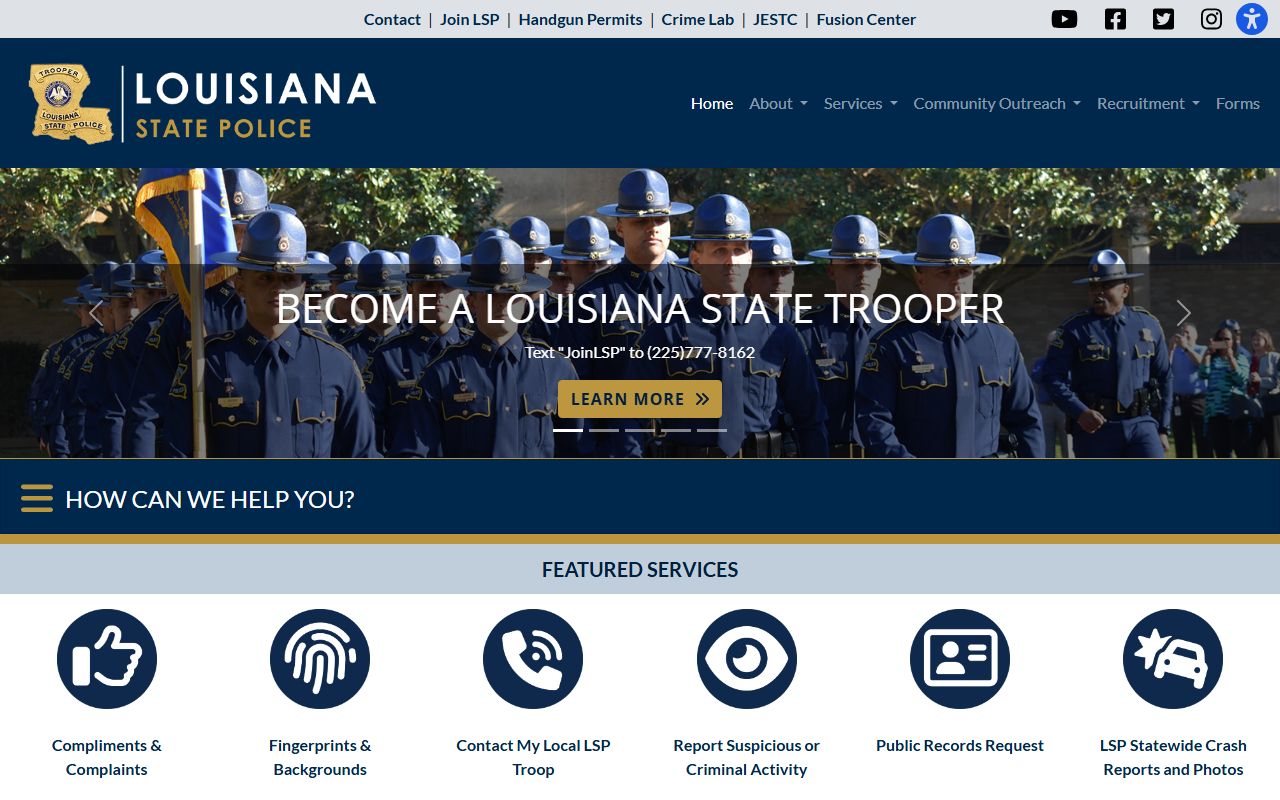
A registry profile can expose identity, address, offense, and compliance details, so use only what you need.
| Field Label | Type | Required | Notes / Format |
|---|---|---|---|
| Name | Text | Optional | Registrant name. |
| Address / City / ZIP | Text | Optional | Geographic search. |
| Parish | Dropdown | Optional | Select Orleans. |
| Radius | Dropdown | Optional | Distance from an address. |
Parole and Probation Information
Release does not always mean a clean break from supervision. Parole is supervised release from prison before a sentence is fully served. Probation is a supervised sentence served in the community instead of, or after, incarceration. Both are managed at the state level through the Department of Corrections and its probation and parole offices.
Conditions can include reporting, treatment, employment, and travel limits. A violation can send a person back into custody, which would then show up again in a jail or prison search. For a sentenced person, the state offender resources are the place to confirm supervision status. The supervising officer, not the parish jail, is the contact for questions about a parolee's conditions or compliance.
Reentry Resources in Orleans Parish
People leaving custody often need legal, housing, and benefits help, and several New Orleans and statewide resources exist for that. A background check can also affect employment after release, and the Louisiana State Police handle statewide criminal background checks, shown below.
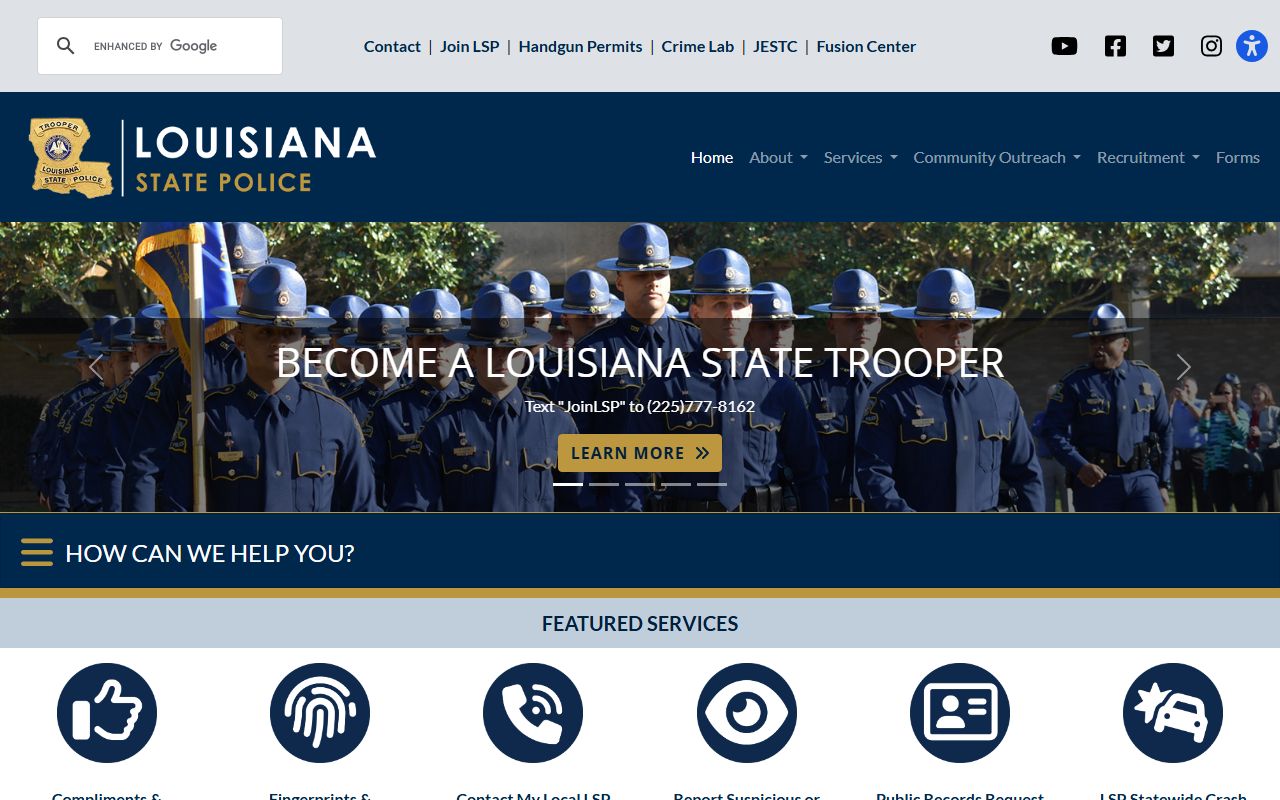
Knowing what a background check shows helps a person plan for work and housing after release.
- Southeast Louisiana Legal Services for civil legal needs after release.
- Louisiana Law Help for expungement, benefits, housing, and family information.
- Orleans Public Defenders for ongoing criminal defense matters.
- LSBA Lawyer Referral for a private attorney.
Civil Rights Restoration After Release
Some rights are affected by a felony conviction and may be restored over time. Voting rights for people with felony convictions depend on state election law and a person's sentence or supervision status, so the Louisiana Secretary of State is the authority to confirm them. Firearm rights are separate and more restricted, and questions there belong with a lawyer and the governing statutes.
Driver's license reinstatement after release runs through the motor vehicle office and any court compliance, not the jail. Each of these is its own process, so a person leaving custody should treat voting, firearms, and licensing as separate questions with separate official answers.
Note: Confirm voting and firearm eligibility through official state sources or counsel, since the rules depend on the conviction and supervision status.